Choosing between canned beer vs bottled beer is one of the most important decisions a craft beer brand can make. Whether you’re comparing bottled vs canned beer for flavor protection and shelf life, or determining how beer in bottles vs cans supports your brand’s identity and distribution goals, the packaging format you choose directly impacts how your product performs in the market.
From freshness and stability to cost, sustainability, brewing tradition, consumer perception, and retail placement, cans and bottles each offer distinct advantages that can make or break your success. Understanding these differences isn’t just helpful; it’s essential for launching, scaling, or repositioning any beverage product.
In this guide, we’ll break down the real-world differences between bottles and cans, explore how beer style and brand positioning play a role, unpack cost and logistics considerations, and help you determine which format best aligns with your long-term goals.
Whether you’re a new beer brand or an established brewer expanding your lineup, this is your deep dive into choosing the right format with clarity and confidence.
How Expected Shelf Life Impacts the Choice of Canned Beer vs Bottled Beer
When comparing canned beer vs bottled beer, one of the earliest and most influential considerations is shelf life. And while brands debate countless factors in the can vs bottle beer conversation, shelf stability sits at the center.
Packaging determines how well your beer withstands real-world conditions: warehouse lighting, distributor handling, back-of-house storage, retail displays and the consumer’s own fridge.
Two variables dominate here: light exposure and oxygen exposure.
Light Exposure
Beer and UV light do not get along. When UV light interacts with certain hop compounds, it creates the infamous “skunky” aroma often called lightstrike.
Cans solve this problem outright; aluminum blocks 100 percent of light, which is why many hop-heavy beers (IPAs, double IPAs, hazy beers, pale ales) lean heavily toward cans. Bottles, on the other hand, vary.
• Clear bottles offer zero protection
• Green bottles offer minimal protection
• Brown bottles offer the best, but still imperfect, protection
For brands reliant on aroma-forward beers and hop expression, cans offer a stability advantage without needing testing data—they simply eliminate UV exposure.
Oxygen Exposure
All packaging formats allow some oxygen to enter over time, but the type and consistency vary between canned beer vs bottled beer.
Cans tend to offer more uniform sealing because the double-seam process creates a tight, mechanically consistent closure. Bottles rely on crown caps, twist-tops or corks, each with different oxygen permeability. Variability with bottles can affect long-term flavor retention.
This doesn’t mean bottles are inferior. Traditional bottle-conditioned beers depend on controlled oxygen levels to mature properly. Specialty ale producers often prefer glass for this reason. But for brands prioritizing predictable shelf life and flavor uniformity, cans offer a compelling advantage in the canned beer vs bottled beer debate.
Temperature Stability
Unlike the common assumption that glass “keeps beer colder,” temperature stability is actually more tied to handling, cooling rate and consumption behavior.
Aluminum chills faster, which is great for high-velocity retail, grab-and-go occasions and consumers who want cold beer quickly. Glass warms more slowly, which supports longer on-premise drinking sessions. Ultimately, logistics play a large role in whether canned beer vs bottled beer makes the most sense for your brand.
Together, these factors shape shelf life expectations and begin steering brands toward the packaging format that best matches their product and how it will be consumed.
How The Canned Beer vs Bottled Beer Debate Depends Heavily On Beer Type
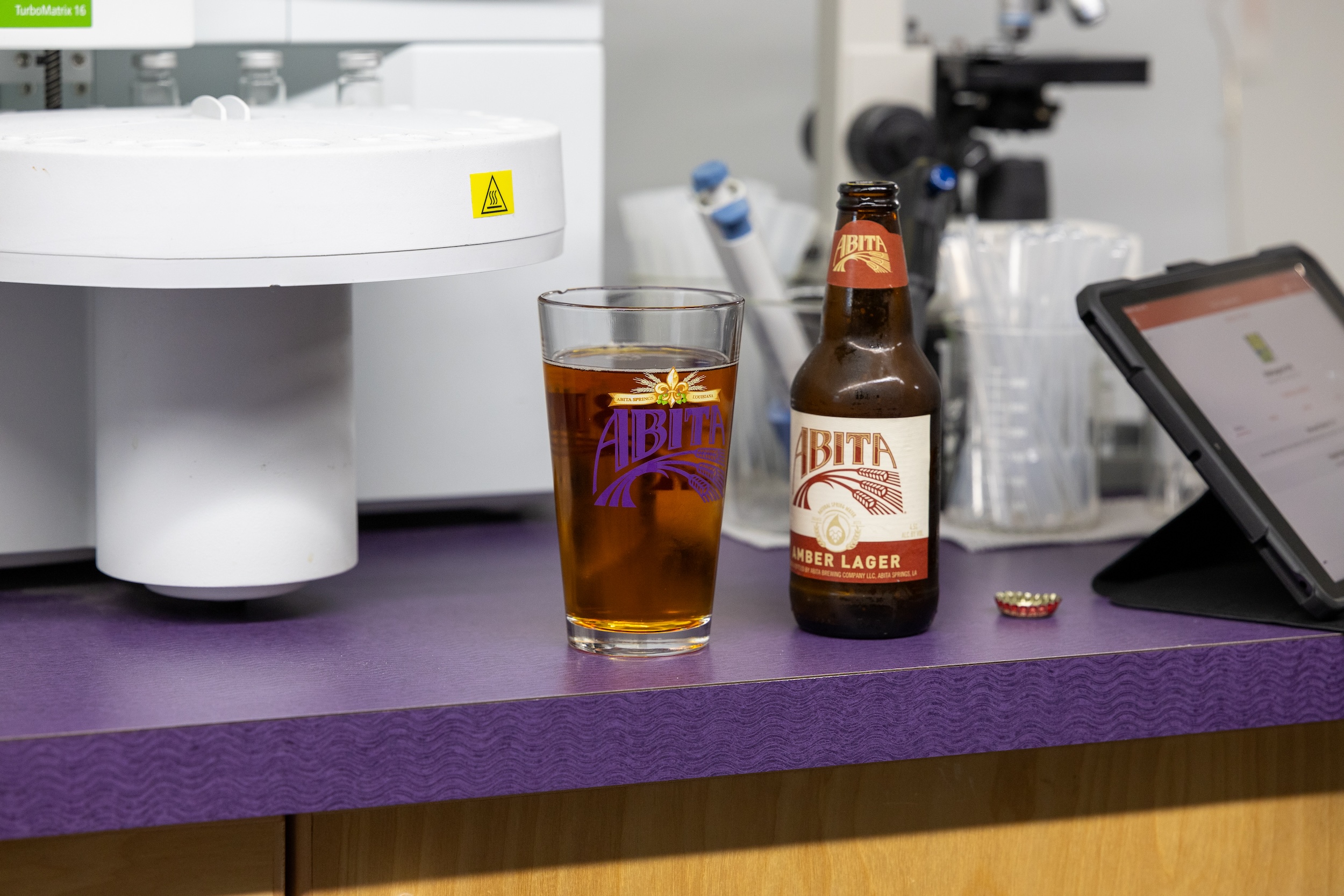
When choosing container type, the canned beer vs bottled beer question isn’t one-size-fits-all. Different beer styles have different sensitivities, traditions, and consumer expectations.
What works perfectly for a modern IPA may not translate to a farmhouse ale or a barrel-aged stout.
Beers That Typically Perform Best In Cans
Hop-forward styles: IPAs, hazy IPAs, pale ales and dry-hopped lagers rely heavily on aroma freshness. These beers are highly vulnerable to UV exposure and benefit from reduced oxygen variability. Aluminum’s total light protection and consistent sealing typically make cans the preferred format.
High-turnover, seasonal or innovative releases: Cans support the fast pace of craft beer and beverage innovation. They’re lighter, cheaper to ship and more flexible for limited runs or variety packs. Summer ales, fruited sours, and hard-to-define hybrid beer thrive when canned vs bottled.
Beers That Traditionally Perform Best In Bottles
Bottle-conditioned beers: Certain Belgian ales, farmhouse ales and mixed-fermentation beers mature as they sit in glass. The small oxygen and space differences in bottles allow these beers to develop flavor complexity. Consumers also associate these styles with glass, which carries its own value in the canned beer vs bottled beer decision process.
Barrel-aged or specialty releases: High-end beers (e.g., imperial stouts, barleywines and barrel-aged sours) often come in glass for ritual, romance and aging potential. Bottles align with the premium perception of these beer styles and support cellaring.
Clear or visually appealing beers: Some brands prefer bottles because they showcase clarity and color of the beer. In on-premise settings, seeing the product through glass supports the experience, especially with pilsners, lagers and bright, golden ales.
Note: Whether you’re launching a crisp table beer or a 14 percent imperial stout, the choice between beer in bottles vs cans hinges on what your audience expects, how your beer should be enjoyed, and the brand story you want to tell.
Consider Your Brand And Aesthetic When Debating Canned Beer vs Bottled Beer

Packaging isn’t just a functional decision; it’s one of the most visible expressions of your brand identity. Choosing between canned beer vs bottled beer dramatically influences how your product looks, feels, and communicates.
Bottled Beer Communicates Heritage, Craft And Premium Positioning
Glass bottles evoke a sense of tradition. Many consumers interpret glass as “classic” or “high-end,” making it a natural fit for brands with heritage narratives or styles rooted in European brewing history.
When the beer is served on-site, bottles contribute to ritual: bartenders uncapping a bottle, pouring into a curated glass, presenting the label to the guest.
If your brand messaging leans into craftsmanship, nostalgia or elevated dining and hospitality, bottled beer might reinforce that story.
Canned Beer Communicate Modernity, Innovation And Approachability
Aluminum cans have become the contemporary default. Their full-wrap labels allow bold artwork that covers the entire surface, not just a small neck and body label. This creates a standout shelf presence, especially in crowded cooler doors.
Branding has just as much impact on the decision of canned beer vs bottled beer as shelf stability and logistics. It impacts the way consumers see and experience your beer.
Canned Beer vs Bottled Beer Impact On Portability
Retail Placement Of Canned Beer vs Bottled Beer
Cans dominate cooler doors because they stack efficiently and chill quickly. Variety packs, one of the fastest-growing segments in beer, favor canned beer over bottled beer almost exclusively.
Retailers like cans because they reduce risk and maximize space. Brand identity doesn’t just shape packaging. Packaging shapes brand identity right back.
The Cost Impacts Of Canned Beer vs Bottled Beer
Cost structure is a major driver in the canned beer vs bottled beer decision. While pricing fluctuates based on suppliers, region and scale, generalizable trends hold true across the industry.
Shipping And Freight For Canned Beer vs Bottled Beer
Cans weigh significantly less than glass. This creates savings in: freight charges, handling labor, breakage (a non-issue with cans, a constant risk with bottles), and distributor efficiency.
Lightweight packaging adds up fast when shipping across regions or working with a wholesaler covering long distances. This can make cans the better option for up-and-coming beer brands still unsure about whether canned beer vs bottled beer is the right choice.
Storage And Warehouse Efficiency Of Canned Beer vs Bottled Beer
Cans stack into tighter pallets. Warehouses can store more cases per square foot with can formats, especially in colder storage environments where space is expensive.
For growing beer brands with limited warehouse space, this can be a deciding factor in the canned beer vs bottled beer decision.
Production Line Considerations
Packaging Material Costs For Canned Beer vs Bottled Beer
Aluminum and glass markets fluctuate differently. In recent years, aluminum supply has been more stable relative to weight and cost efficiencies.
For many beer brands, particularly those who are more price-sensitive, opting for canned beer vs bottled beer creates a more predictable long-term packaging cost structure.
Distributor Preferences
Distributors increasingly prefer cans for operational reasons: stackability, less breakage, efficient cold storage and the consumer trend toward canned beverages.
Whether it’s canned beer vs bottled beer, distributors will work with either format. However, aligning with what makes their operations easier is rarely a bad strategy, giving cans the edge.
Quick Recap: Which Format Is Best For Your Brand?
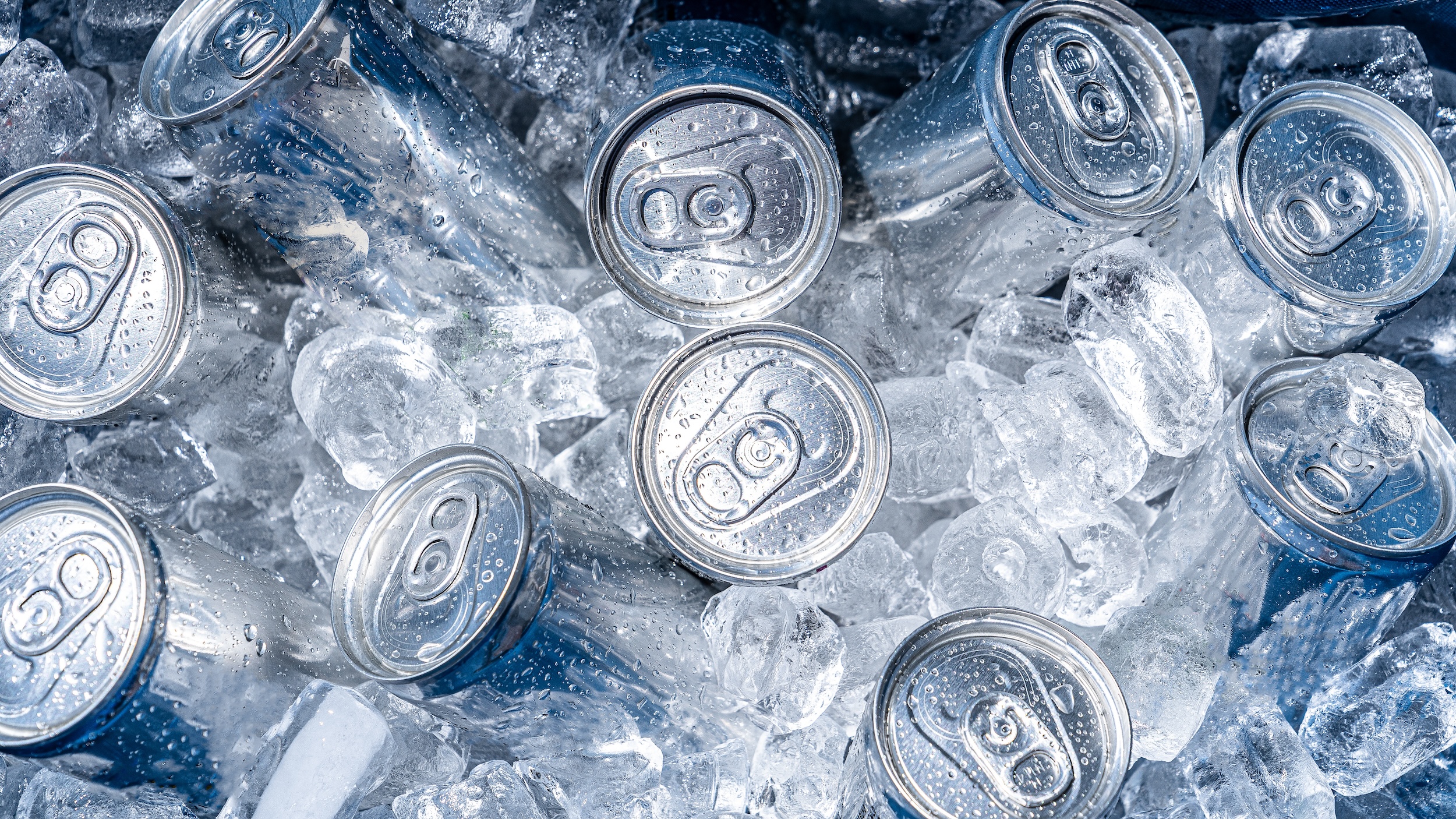
When comparing canned beer vs bottled beer, there’s no universally “best” answer. Instead, the right choice depends on your product’s identity and the strategy behind it.
This decision shapes not just shelf life or flavor; it influences how consumers perceive your product and how easily it can scale into new markets.
Pros of Beer In A Can

As of late cans have been winning the canned beer vs bottled beer debate. Here are a few reasons why:
Superior Product Protection: Cans eliminate UV exposure, reducing risk of lightstrike entirely. The sealing process also offers consistent oxygen management, which supports freshness over time.
Lightweight And Cost-Efficient: Aluminum cans weigh considerably less than glass, reducing beer shipping costs and allowing more efficient palletization. They also eliminate breakage losses that can occur during distribution.
Highly Portable And Venue-Friendly: Canned beer is welcome where bottled beer is restricted. They’re ideal for: beaches, ski resorts, outdoor recreation, stadiums and sports arenas, pools and resorts, and music festivals and events. This dramatically expands a beer brand’s reach.
Sustainability Advantage: Aluminum is infinitely recyclable. Many regions recycle aluminum at much higher rates than glass, due to infrastructure and demand. While sustainability metrics vary, aluminum’s recyclability gives it a meaningful edge.cIf sustainability is at the core of your beer brand, considering canned beer over bottled beer may be the move.
A Bigger Branding Canvas: Full-wrap can art is one of the biggest advantages of aluminum. Brands can showcase personality, color, illustration, pattern work and storytelling in visually immersive ways.
Format Flexibility: Cans come in multiple sizes (12 oz, 16 oz, 19.2 oz, sleek, and slim), making them perfect for seasonal beer releases, variety packs and innovations. They adapt quickly to changing consumer trends.
In short, cans align with today’s beverage landscape: mobile, outdoorsy, bold, flavor-driven and visually competitive.
Pros of Beer In A Bottle
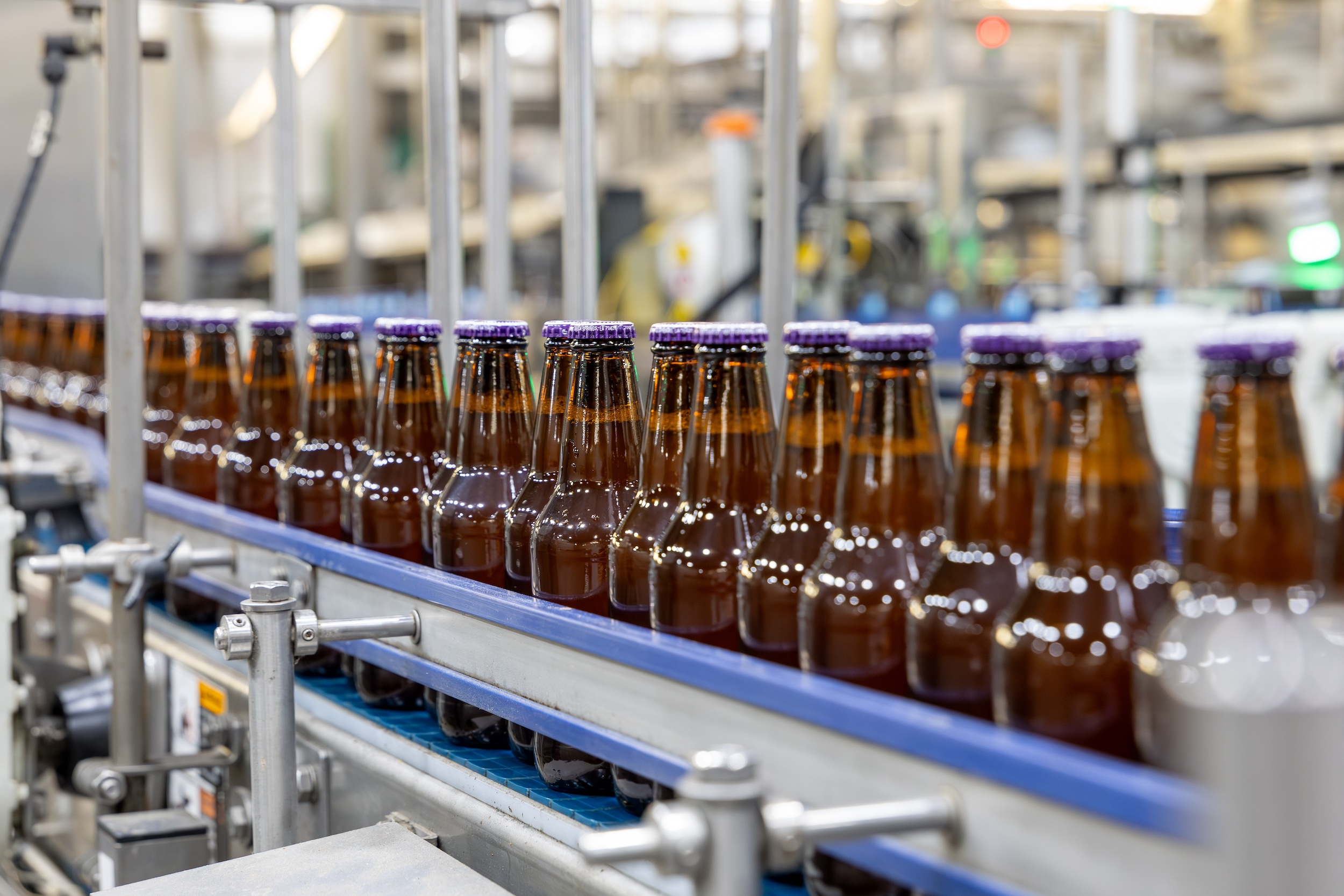
While canned beer is increasingly popular, bottled beer absolutely still has a place in the beverage world.
Premium Perception and Heritage: Glass tells a story. Bottles feel classic, rooted in tradition. They convey craft and quality in a way aluminum never fully will for certain audiences. Many consumers associate glass with intentional, elevated brewing.
Temperature Stability For On-Premise: Glass warms more slowly than aluminum, making it ideal for restaurant or bar settings where guests may sip their beer over time. It creates a consistent serving experience that feels deliberate and refined.
Preferred For Certain Styles and Rituals: Some beer styles are linked to bottles in consumers’ minds: Belgian ales, German lagers, barrel-aged stouts, specialty sours, and bottle-conditioned beers. These associations reinforce authenticity and tradition, giving bottles the edge in the canned beer vs bottled beer debate.
On-Premise Experience Benefits: The sound of a bottle opening, the presentation of the label, the visual clarity of beer in a glass; it all contributes to a multi-sensory experience. For brands targeting hotels, restaurants, and premium hospitality, bottles have a clear advantage.
The Secret To Packing Your Beer With Confidence
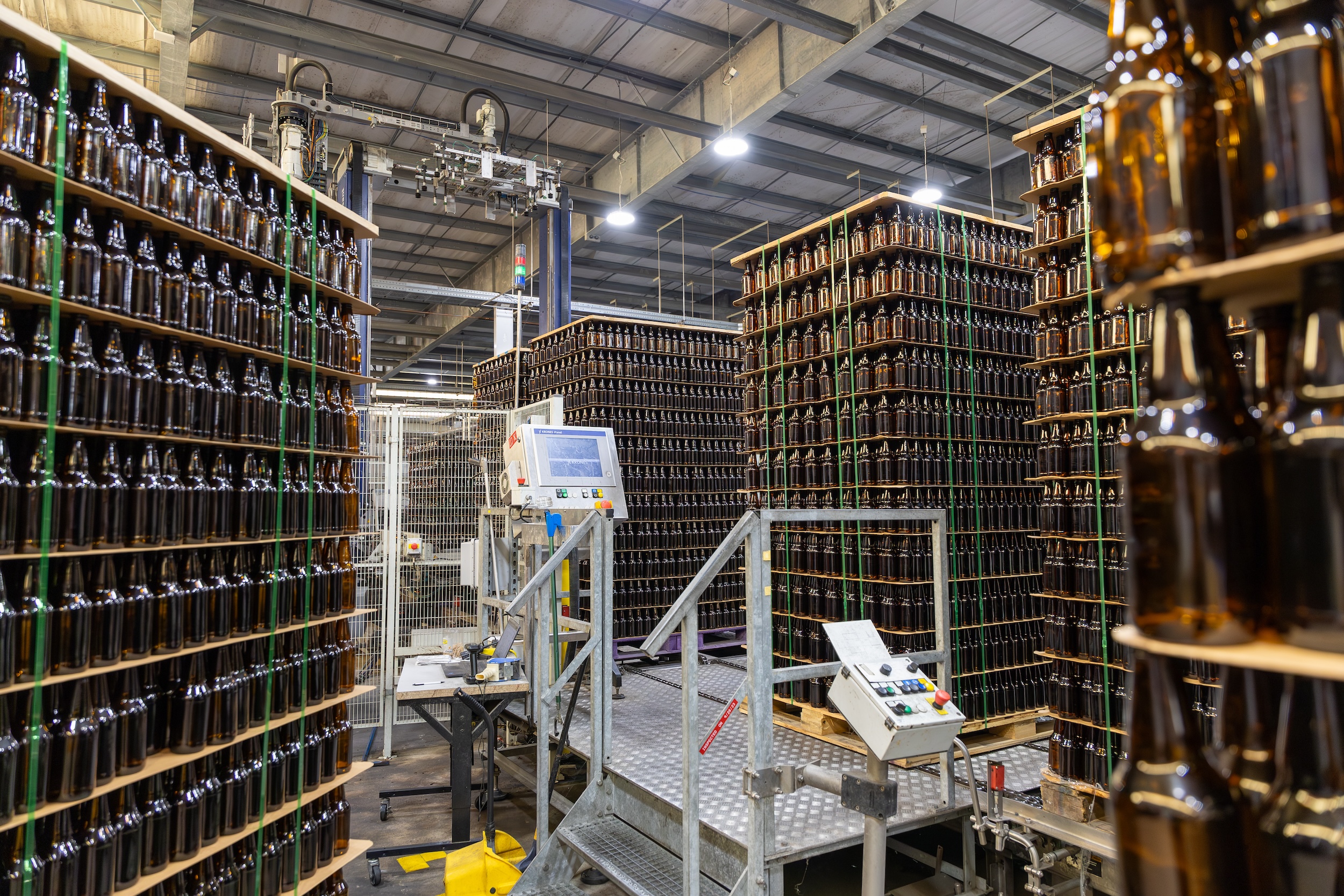
Choosing between canned beer vs bottled beer is only half the story. What matters most is partnering with a beverage manufacturer who understands the nuances of both formats, the demands of the modern market, and the goals of your brand.