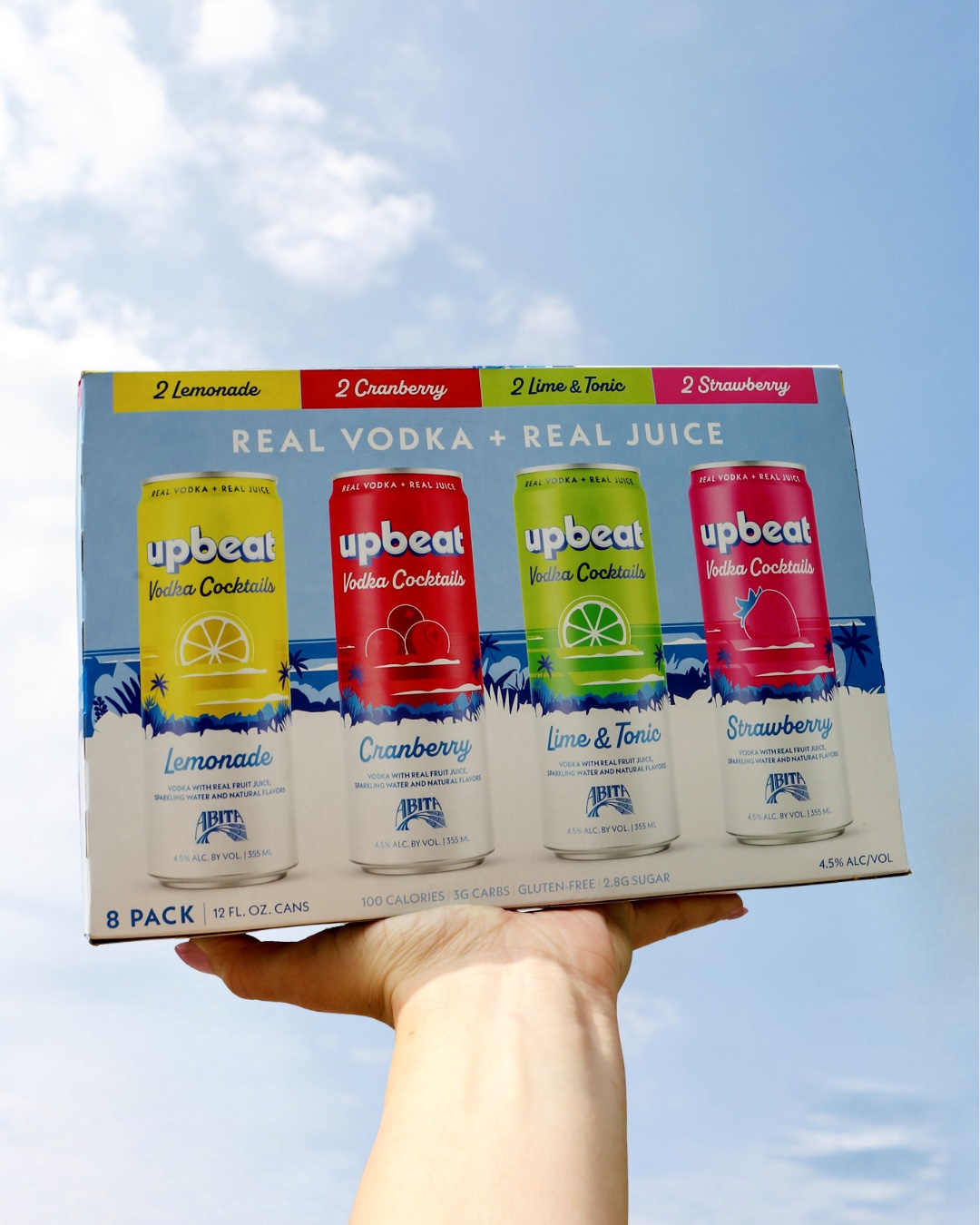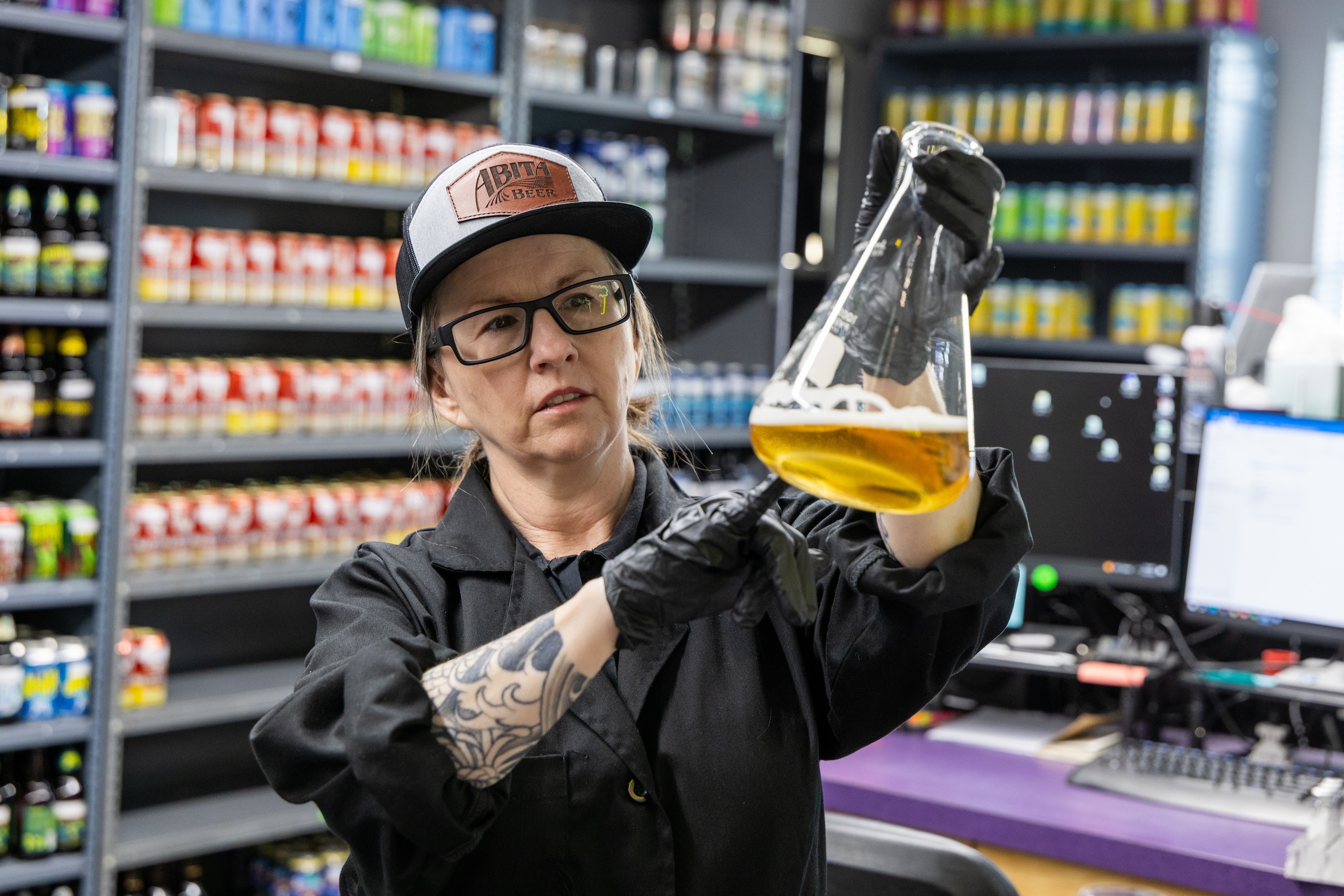
At Abita Brewing Company, we know a thing or two about how to start a brewery. As the first craft brewery to open in Louisiana and one of the first few in the Southeast United States, we’ve lived through every challenge and triumph that comes with building a brewery from the ground up.
We started with just 1,500 barrels in our first year, brewing in a small facility in Abita Springs, Louisiana. Today, we produce over 160,000 barrels annually and our beers are enjoyed all across the country.
Over nearly four decades, we’ve learned what works and what doesn’t when it comes to starting and opening a brewery. We’ve also helped dozens of aspiring brewery and microbrewery owners launch their own brands through our contract brewing program.
Whether you’re a homebrewer ready to open a microbrewery or an entrepreneur passionate about craft beer, this guide shares everything we’ve learned about how to start a brewery successfully.
Before You Begin: Things To Consider Before You Start And Open A Brewery
Before diving into logistics of how to start a brewery, reflect on whether brewery ownership aligns with your goals and resources. The craft beer industry continues thriving, with room for passionate brewers with unique visions.
Consider your brewing experience. You don’t need to be a certified brewmaster to open a brewery or microbrewery, but you should understand the brewing process, recipe development, and quality control. Many successful owners started as homebrewers who refined their craft over the years.
Evaluate your market opportunity. Before opening a brewery, research existing breweries, beer preferences, and gaps in your area. Understanding your competitive landscape helps you position your brewery for success when you open a microbrewery.
Think about your business model. Do you envision a taproom or distribution focus for your brewery? Perhaps both? Your model significantly impacts facility requirements, staffing needs, and how you approach starting and opening a brewery.
Consider the time commitment. Opening and running a brewery demands involvement in everything from recipe development to marketing and sales, especially early on. Ensure your personal life can accommodate the high level of involvement that starting up a brewery requires.
Most importantly, assess your passion for craft beer. If you’re genuinely excited about creating exceptional beverages and building a community around your brand, you’re on the right track toward learning how to open a brewery successfully.
Understanding Different Brewery Types: Which Model Is Right For You?
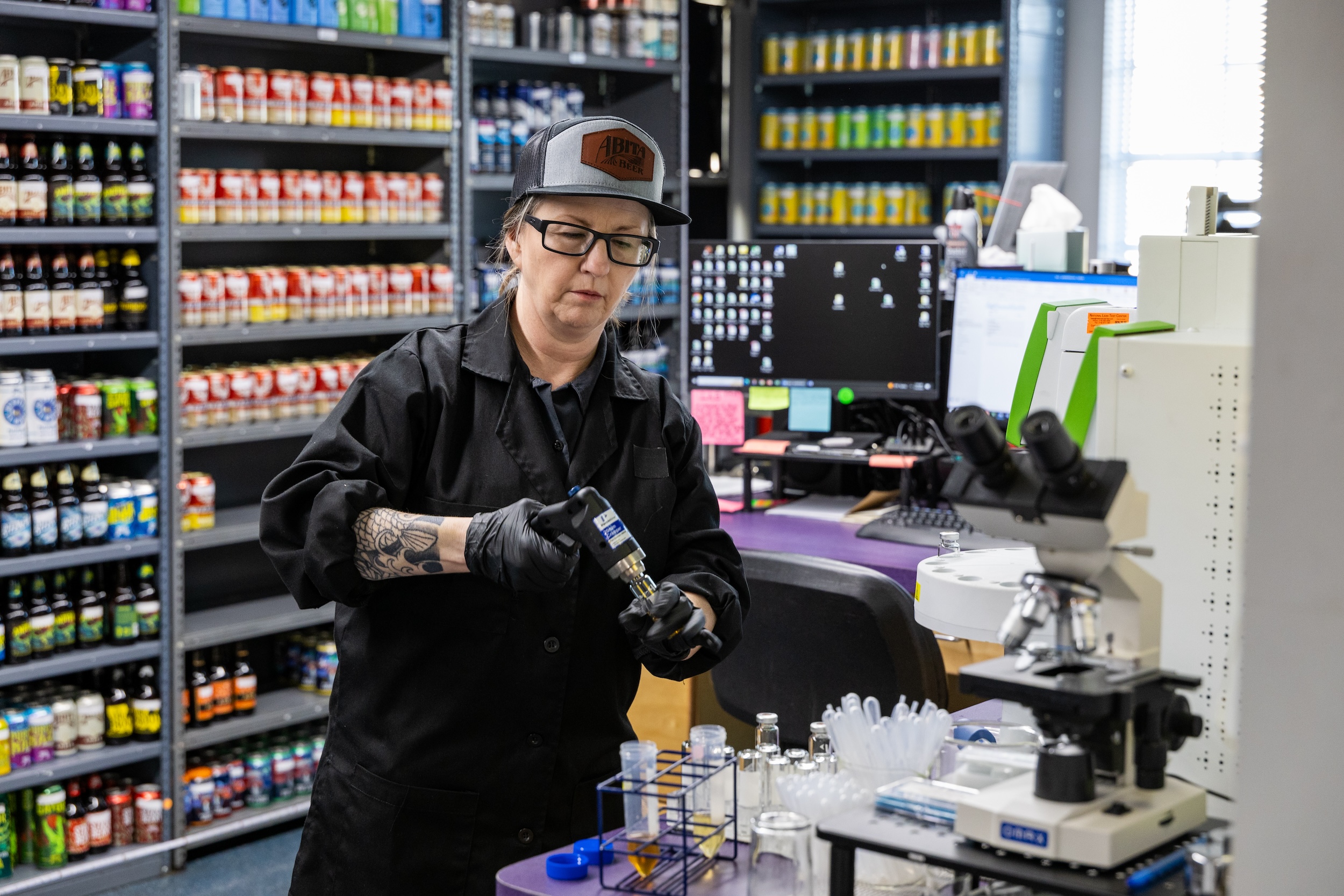
When figuring out how to start a brewery, choose the right scale and model. Each brewery type has distinct advantages and capital requirements.
Nanobrewery: Producing fewer than three barrels per batch, nanobreweries offer low-risk market testing with minimal investment. They’re owner-operated and serve hyperlocal customers, though limited capacity can challenge profitability and scaling.
Microbrewery: Microbrewery facilities produce up to 15,000 barrels annually, making them the most common choice for those opening a brewery. They can serve both taprooms and distribution channels, offering balanced growth without massive capital requirements.
Regional Brewery: Producing over 15,000 barrels yearly, regional breweries distribute across multiple states. They require substantial capital but achieve significant economies of scale.
Contract Production Model: This approach lets you start and open a brewery without building facilities. You develop recipes and own your brand, while an established brewery produces your beer using its equipment and expertise. It’s one of the most affordable paths to starting up and opening a brewery.
How Much Does It Cost To Start A Brewery?
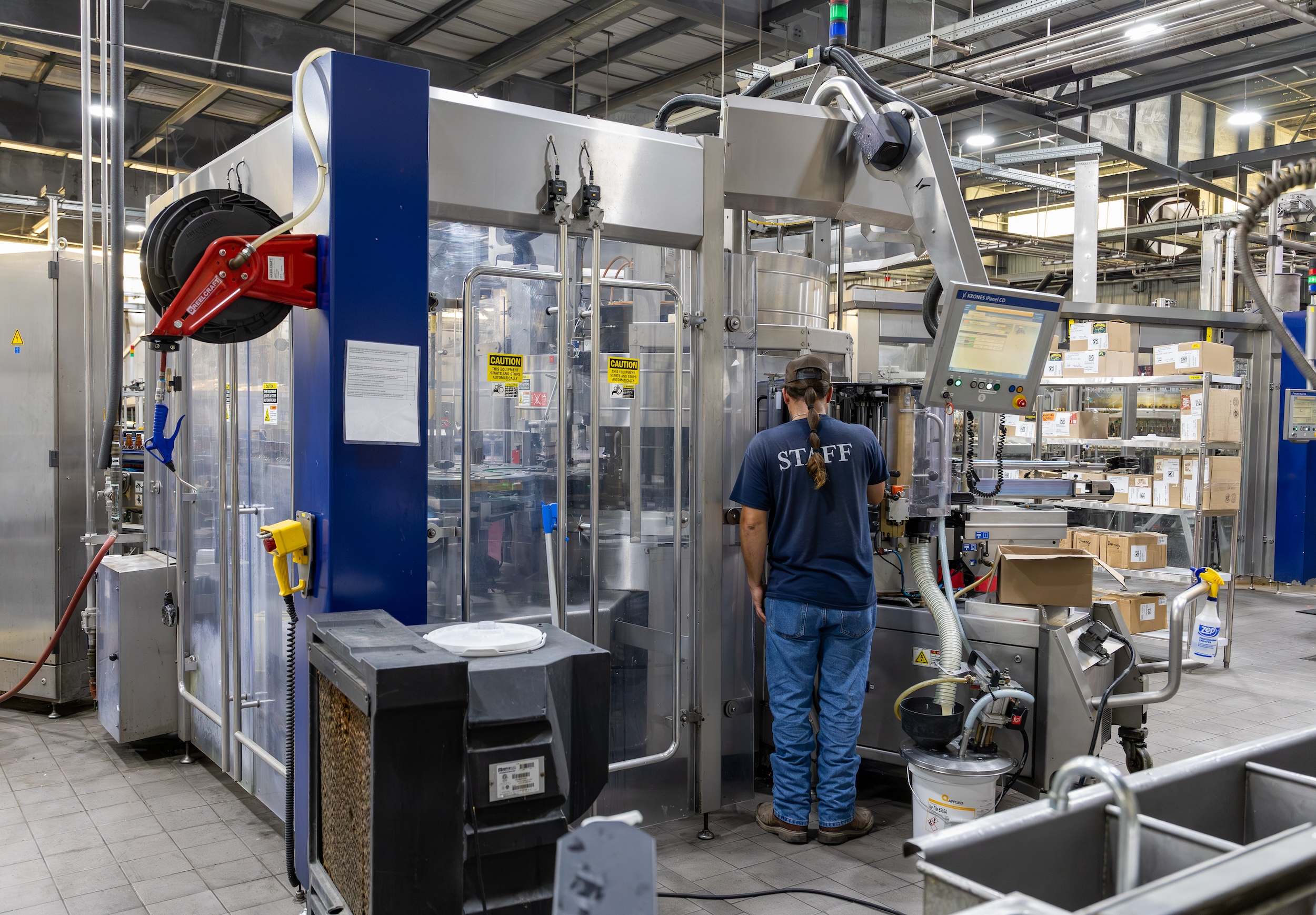
One of the most common questions aspiring brewery and microbrewery owners ask is: how much does it cost to start a brewery? The answer varies dramatically based on your chosen model, location, and scale. Startup costs can range from $250,000 for a small nanobrewery to well over $2 million for a full-scale microbrewery with a taproom.
Understanding these cost factors is essential when planning how to start up a brewery. Here’s what influences your total investment when starting and opening a brewery or microbrewery:
Facility costs: Leasing or purchasing a production space is one of your largest expenses when figuring out how to start a brewery. Urban locations command premium prices, while industrial areas may offer more affordable options. If you’re planning a taproom, you’ll need a customer-facing space that meets health codes and accessibility requirements. These facility costs can easily exceed $500,000 in competitive markets.
Equipment and machinery: Brewhouse systems, fermentation tanks, bright tanks, kegging equipment, and packaging lines are all significant capital investments involved in opening a brewery. A seven-barrel system might cost $150,000, while a 15-barrel system can run $300,000 or more. Refrigeration systems, quality control lab equipment, and maintenance tools add to these costs.
Licensing and legal fees: Federal, state, and local permits are necessary to legally open and operate a brewery. Budget $10,000 to $30,000 for attorney fees, application costs, and ongoing compliance requirements. This is one of the advantages of working with a contract production partner. Because you’re using their facilities, they’ve typically acquired the necessary certifications to operate.
Initial inventory: Quality ingredients like malt, hops, yeast, and specialty additions require upfront capital.
Staffing and payroll: Even a microbrewery needs skilled brewers, packaging staff, and potentially taproom employees. Budget for at least six months of payroll as you build your customer base.
Branding, marketing, and design: Professional logo design, label artwork, website development, and initial marketing campaigns can cost $30,000 to $100,000, depending on your ambitions.
Working capital reserves: Most breweries don’t turn a profit for one to two years after opening. You’ll need reserves to cover operating expenses, unexpected repairs, and slow seasons.
Contract production partnerships: This option dramatically reduces startup costs by eliminating facility leases, equipment purchases, and many operational expenses. Instead of investing hundreds of thousands upfront, you pay for production runs and can launch your brewery for a fraction of traditional costs.
The wide cost range reflects the flexibility you have when planning how to open a brewery. While a traditional brick-and-mortar microbrewery might require $1 to $2 million, choosing a contract production model can reduce your initial investment to under $100,000, making brewery ownership accessible to more entrepreneurs.
How Long Does It Take To Open A Brewery?
Timeline expectations matter as much as budget when figuring out how to start a brewery. Most new breweries and microbreweries take 12 to 24 months from planning to opening, though this varies on the size and complexity of your operation.
Building your own facility takes longer. Federal and state licensing alone can require several months. Add construction, equipment installation, and recipe testing, and you’re looking at 18 to 24 months before pouring your first commercial pint.
Complex zoning requirements, equipment delays, or infrastructure challenges in existing buildings can further extend timelines when you open and start a microbrewery or brewery.
Contract production offers significant timeline advantages. You get to leverage the existing permits, equipment, and infrastructure of your production partner, which lets you bring beers to market in a fraction of the time, meaning faster revenue and market testing.
How To Acquire Financing To Start A Brewery Or Microbrewery
Securing financing is challenging when starting up a brewery. Most owners combine funding sources, including traditional bank loans, SBA loans, private investors, crowdfunding campaigns, and personal savings.
Banks want detailed business plans and financial projections. Investors bring capital and expertise, but they often dilute ownership. Crowdfunding is also an option, and it builds community support while raising capital.
Regardless of funding source, though, you’ll need compelling financial projections demonstrating brewery profitability. Include revenue forecasts, operating expenses, and cash flow projections for at least three years when you start a brewery.
The Benefits Of Contract Production When Opening A Brewery
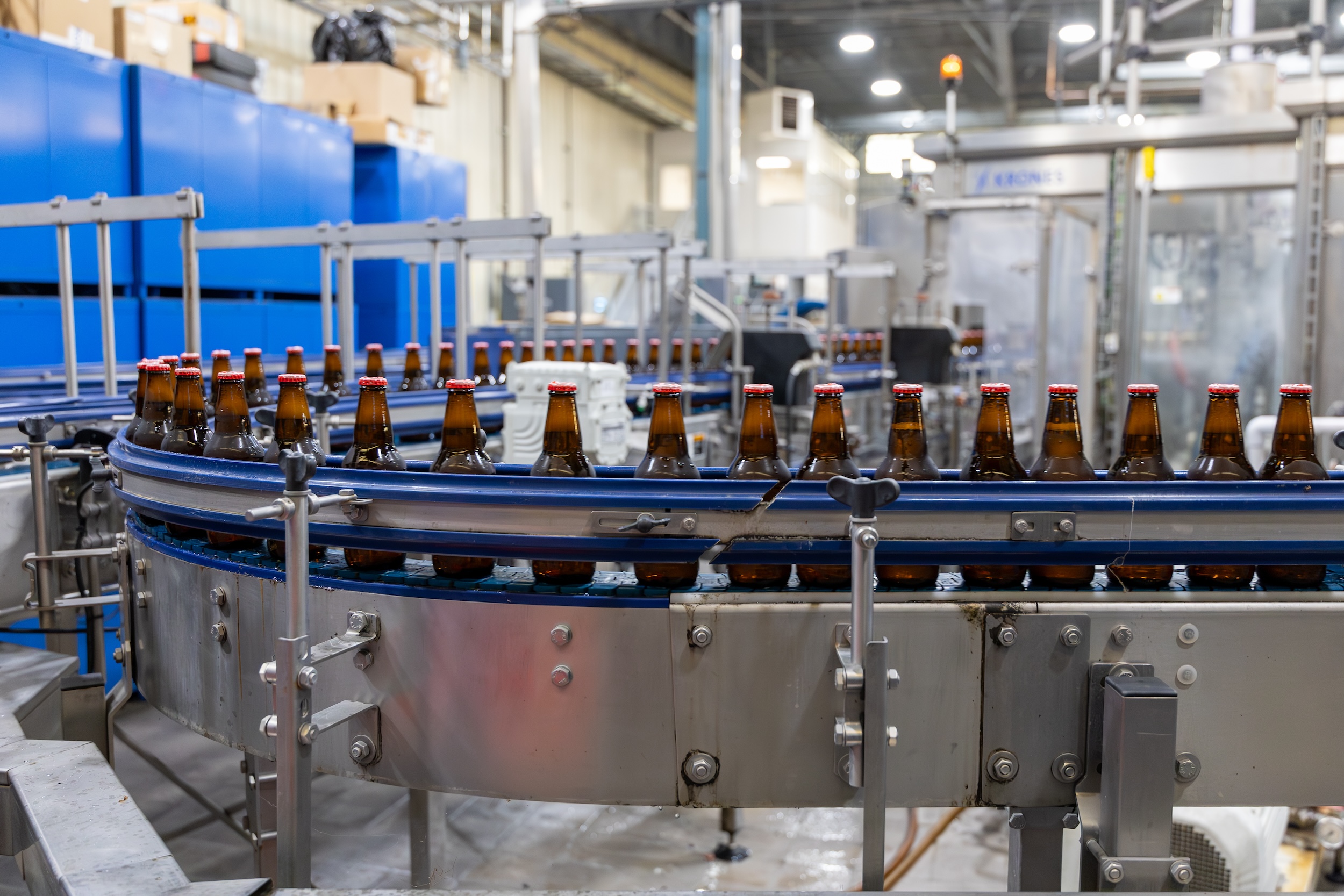
Contract production has revolutionized how to start a brewery, making craft beer entrepreneurship accessible to more people than ever before. Rather than investing millions in facilities and equipment, you develop your recipes and microbrewery brand while an established brewery handles production.
The financial advantages are immediately apparent. When you partner with a contract production partner like Abita, you eliminate the single largest expense of opening a brewery: the production facility itself. No real estate costs, no equipment purchases, no utility buildouts. This can reduce your startup capital requirements, allowing you to start a brewery with a fraction of traditional investment.
Beyond cost savings, contract production provides access to established relationships that would take years to develop independently. Your contract production partner has existing supplier relationships that secure better pricing on hops, malt, and specialty ingredients. Their economies of scale mean you benefit from bulk purchasing power even for small production runs.
Distribution networks represent another critical advantage. Established contract production operations have relationships with distributors, logistics partners, and retail accounts across their region. Rather than cold-calling distributors as an unknown startup, you can leverage these existing connections to get your beer on shelves faster when you open a microbrewery through contract production.
Quality and consistency matter enormously in craft beer, and an experienced contract production partner also brings decades of brewing expertise to your recipes. They’ve perfected their processes, calibrated their equipment, and established rigorous quality control protocols. This expertise helps ensure your first batches meet professional standards, protecting your brand reputation from day one.
Compliance and certifications can be overwhelming when starting a brewery. Federal licensing, state permits, food safety certifications, and ongoing reporting requirements demand significant time and expertise.
A good contract production partner, like Abita, maintains all necessary permits and certifications, allowing you to benefit from their compliance infrastructure without managing it yourself.
The flexibility of contract production also allows you to test your market before committing to a physical location. You can gauge customer response, refine your recipes, build your brand, and establish distribution, all while keeping overhead low.
If your beers resonate with customers, you can scale production quickly after opening your brewery. If market response is lukewarm, you can adjust your approach without the burden of a long-term facility lease.
Perhaps most importantly, contract production lets you focus on what matters most: creating exceptional beer and building your brand.
Instead of managing facility maintenance, equipment repairs, and operational headaches, you can devote your energy to recipe development, marketing, sales, and customer relationships (arguably the most exciting parts of learning how to start a brewery).
Step-By-Step Guide For How To Start and Open A Brewery (Or Microbrewery)
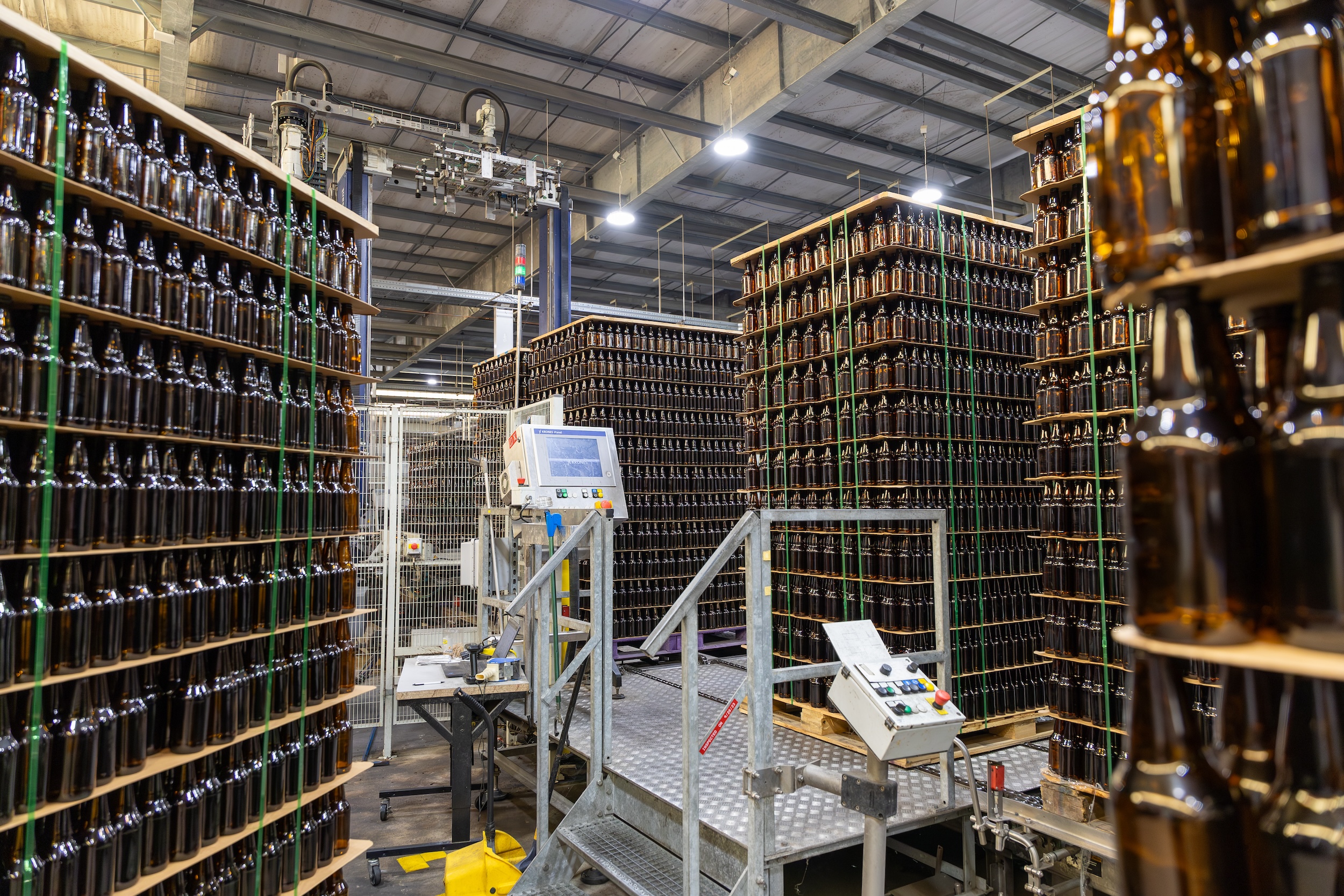
Now that you understand the landscape, let’s walk through the specific steps for how to start and open a brewery. Follow this roadmap to move from concept to launch systematically and successfully.
Step 1: Start Developing A Brewery Business Plan
Every successful brewery starts with a comprehensive business plan. This is your roadmap and essential tool for securing financing when you start a brewery. Include an executive summary capturing your mission and unique value proposition.
Conduct thorough market analysis. Identify target customers, analyze demographics, and research trending versus underserved styles. Evaluate competition, including other breweries and entertainment venues competing for discretionary spending.
Financial projections should be realistic. Outline your marketing strategy, distribution channels, and differentiation approach when opening a brewery.
Step 2: Choose The Legal Business Structure For Your Brewery
Before you can obtain licenses or open bank accounts, you need to establish your legal business entity. This decision has significant implications for liability protection, tax treatment, and operational flexibility when starting a brewery.
Most breweries choose between a Limited Liability Company (LLC) and a Corporation (C-Corp or S-Corp). LLCs offer liability protection and pass-through taxation, making them popular for smaller breweries with one or a few owners. The structure is simpler to maintain than a corporation, with fewer formalities and reporting requirements.
Corporations may make more sense if you plan to raise significant capital from investors or eventually go public. C-Corporations face double taxation on profits, but they offer more flexibility in structuring equity and investor relationships.
S-Corporations provide pass-through taxation while maintaining a corporate structure, though they have restrictions on the number and type of shareholders.
Work with a business attorney and accountant to evaluate these options based on your specific situation. The right structure when you start up and open a brewery affects everything from your personal liability to how much you pay in taxes, so it’s worth investing in professional guidance upfront.
Step 3: Obtain Necessary Licenses, Permits, And Certifications For The Brewery
Navigating regulations is complex when you start a brewery*. You’ll need federal, state, and local approvals before producing or selling beer.
Start with your federal Brewer’s Notice from the TTB, which requires detailed business information and typically takes several months for approval. State brewing licenses vary dramatically by jurisdiction. Local permits include zoning, building, health department, and potentially food service permits.
Every beer needs TTB-approved labeling before sale. Submit formulation details and label artwork, allowing two to four weeks per label when opening your brewery.
Licensing complexity is another reason entrepreneurs choose contract production when starting a brewery. Your contract partner handles facility-related permits and certifications (like cGMP), letting you focus on brand development and sales.
Step 5: Decide Between Building Your Own Brewery Or Partnering With A Contract Producer
This decision fundamentally shapes how you’ll start and open a brewery. Building your own facility offers complete control but requires substantial capital and operational expertise. Contract production provides a lower-risk entry point with professional support but means sharing production space with other brands.
If you’re considering a contract production partnership, evaluate potential partners carefully. Look for breweries with spare production capacity, experience working with contract clients, and a track record of quality and consistency (like Abita). The ideal contract production partner shares your commitment to excellence and views your success as their success.
Ask about their production scheduling flexibility. Can they accommodate seasonal surges in demand? How much lead time do they need for production runs? What minimum batch sizes do they require? Understanding these operational details helps you plan inventory and manage cash flow.
Inquire about their distribution relationships and logistics capabilities. Some contract producers offer warehousing and distribution coordination, valuable services that accelerate your market entry when opening a brewery.
Step 6: Develop The Brand Identity And Packaging For Your Brewery
Strong branding distinguishes your brewery from competitors. Your brand encompasses your name, logo, label designs, and brand voice, reflecting your personality and resonating with target customers.
Choose a memorable, distinctive brewery name connected to your story or location. Research trademarks to avoid conflicts when starting a brewery. Work with professional designers for your logo and visual identity. It’ll appear on everything from cans to merchandise.
Label design is particularly important. Eye-catching labels drive cooler purchases. Labels must comply with TTB regulations while standing out aesthetically and communicating your beer style and brand personality.
Step 7: Set Up Your Brewery Distribution And Logistics Plan
Getting your beer from production to consumers requires careful planning and is one of the most important steps in how to start a brewery. Distribution strategy significantly impacts your revenue potential and market reach when you’re opening a brewery.
In most states, the three-tier distribution system requires breweries to sell to distributors, who then sell to retailers, who finally sell to consumers. Understanding this system is crucial for planning how to open a brewery with wide market reach. Some states allow limited self-distribution, which gives you more control and higher margins but limits your geographic footprint.
Building relationships with distributors takes time and persistence. Distributors receive lots of pitches from new breweries, so you need to demonstrate why your brand deserves a spot in their portfolio. Come prepared with sales data (if available), market research, marketing plans, and compelling beer samples. Proving you’ll actively support sales through marketing and promotional events makes you a more attractive partner.
Cold chain management, keeping your beer properly refrigerated from brewery to consumer, is essential for quality. Beer is a perishable product, and temperature fluctuations can ruin flavor and freshness. Work with distributors who understand proper beer handling and maintain temperature-controlled warehouses and delivery vehicles.
Contract producers often have established distribution networks that you can leverage. Rather than building these relationships from scratch, you can benefit from years of partnership development. Some contract production partners even provide distribution services as part of their offering, significantly simplifying logistics when starting a brewery.
When it comes to beer packaging options, kegs offer the best margins but require accounts with draft systems. Cans are increasingly popular for their portability, light protection, and recyclability, though they require higher minimum orders. Bottles offer a premium feel but are heavier to ship and more prone to breakage. Many breweries use multiple formats to maximize market opportunities.
Step 8: Build Your Marketing And Launch Strategy
A huge part of figuring out how to open a brewery is understanding how to spread the word about it. Effective marketing can transform your brewery from an unknown startup to a sought-after brand. Start building buzz before launch when opening a brewery.
Create anticipation through social media. Share behind-the-scenes content about recipe development and production milestones. Let followers feel like insiders in your journey. Run contests and engage authentically with your community.
Plan a memorable launch event, whether a grand opening or coordinated tap takeovers. Create excitement introducing your beers to as many people as possible. Partner with local food trucks, musicians, or artists for a complete brand experience.
Develop relationships with local media and beer bloggers. Craft beer journalists seek interesting stories about new breweries. Media coverage provides valuable credibility. Continue regular marketing post-launch through social media, newsletters, and special events when starting up and opening your brewery.
Step 9: Navigate Ongoing Compliance And Reporting
Opening a brewery is just the beginning. Maintaining compliance requires ongoing attention and meticulous record-keeping when you start a brewery.
Federal excise taxes require regular TTB reporting, monthly or quarterly depending on production volume. Document every barrel brewed, packaged, sold, and in inventory. Accuracy matters. Mistakes bring penalties.
Every new beer needs label approval before sale. Implement inventory tracking systems for tax reporting and quality control. Modern brewery management software can automate a lot of the tracking, reducing administrative burden.
Quality assurance protocols protect your brewery’s brand. Test regularly for alcohol content, pH, and microbial contamination. Document results and corrective actions. Contract production partners typically handle production-side compliance when starting a brewery, though you’re responsible for sales reporting and label approvals.
Common Mistakes To Avoid When Figuring Out How To Start A Brewery
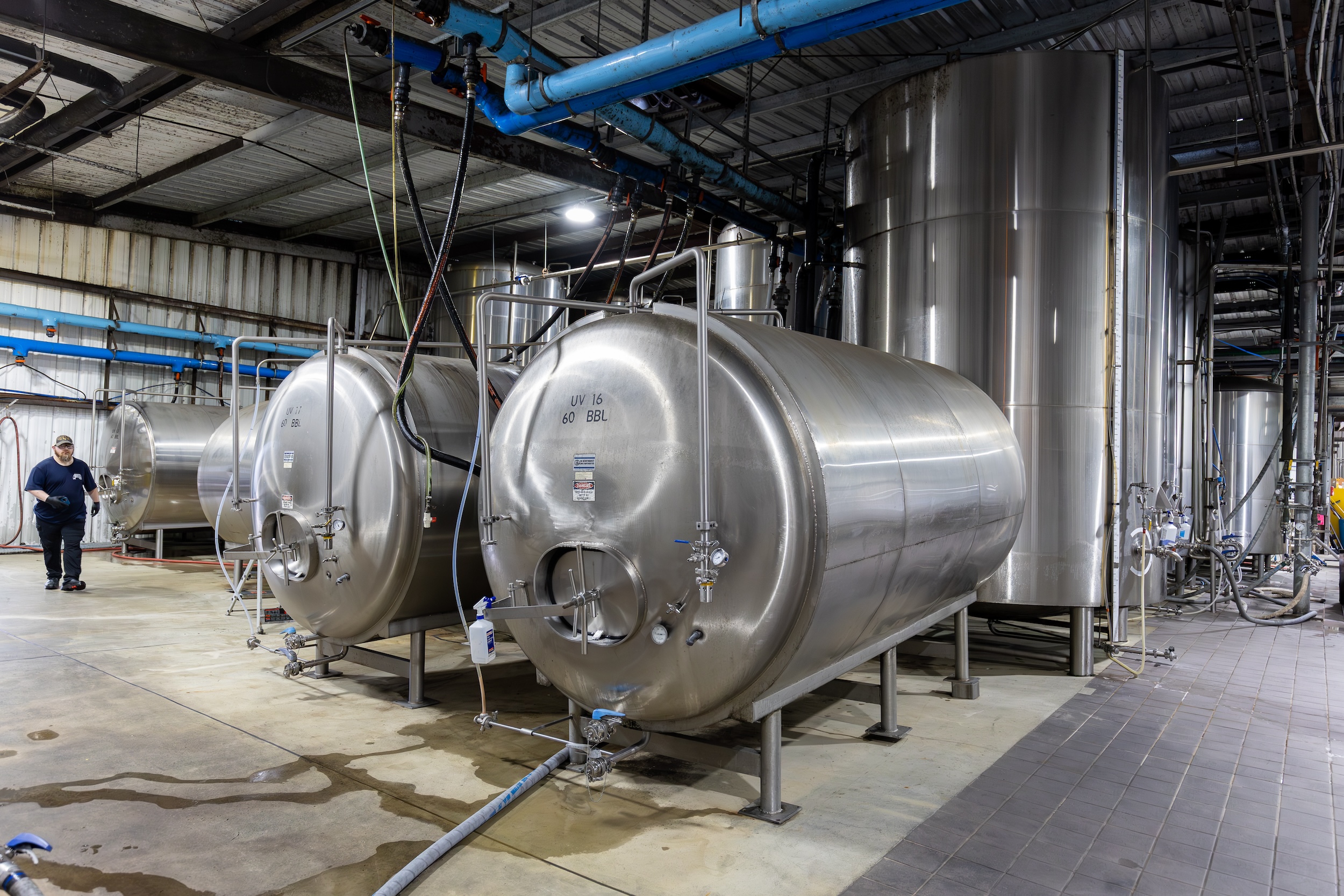
Learning from others’ missteps can save you time, money, and frustration when figuring out how to start a brewery. Here are the most common pitfalls new brewery owners encounter when opening and how to avoid them.
Underestimating startup costs and working capital needs. Many aspiring brewery owners focus on obvious expenses like equipment and facilities while overlooking marketing costs, working capital reserves, and unexpected expenses that are all critical for opening.
Skipping thorough market research. Passion for brewing isn’t enough. You need customers who will actually buy your beer. Some markets are oversaturated with craft breweries, while others have significant untapped demand. Research your competition, understand local preferences, and identify gaps your brewery can fill. That’s one of the perks of contract production. It allows you to test market demand before investing in a permanent facility.
Choosing a poor location. If you’re opening a taproom, location determines your success. High-traffic areas command premium rents but deliver customer volume. Cheaper locations might save money upfront but struggle to attract visitors. Consider accessibility, parking, and nearby complementary businesses when selecting a site to open your brewery.
Neglecting quality control. Inconsistent beer quality destroys reputations quickly in the social media age. Invest in proper quality control equipment and training. Partner with experienced brewers who understand the importance of consistency when starting up a brewery.
Underinvesting in marketing and brand building. Making great beer is essential, but people need to know it exists. Budget adequately for branding, packaging design, social media, events, and promotional materials. Your marketing investment generates customer awareness and drives sales growth.
Trying to do everything yourself. Successful brewery owners build teams and delegate effectively. You can’t be the brewer, salesperson, marketer, accountant, and facility manager simultaneously without burning out. Recognize your strengths, hire for your weaknesses, and consider a contract producer to handle production while you focus on business development.
Ignoring distributor relationships. Distribution partnerships determine your market reach. Start building these relationships early, understand what distributors need from their brewery partners, and be prepared to actively support sales. Contract producers often have established distributor relationships you can leverage when launching.
Focusing solely on brewing while neglecting business fundamentals. Many brewers are passionate about the craft but lack business expertise. Financial management, inventory control, regulatory compliance, and strategic planning are just as important as recipe development when you open a microbrewery.
The Core Team: How To Hire The Essentials When You Start A Brewery
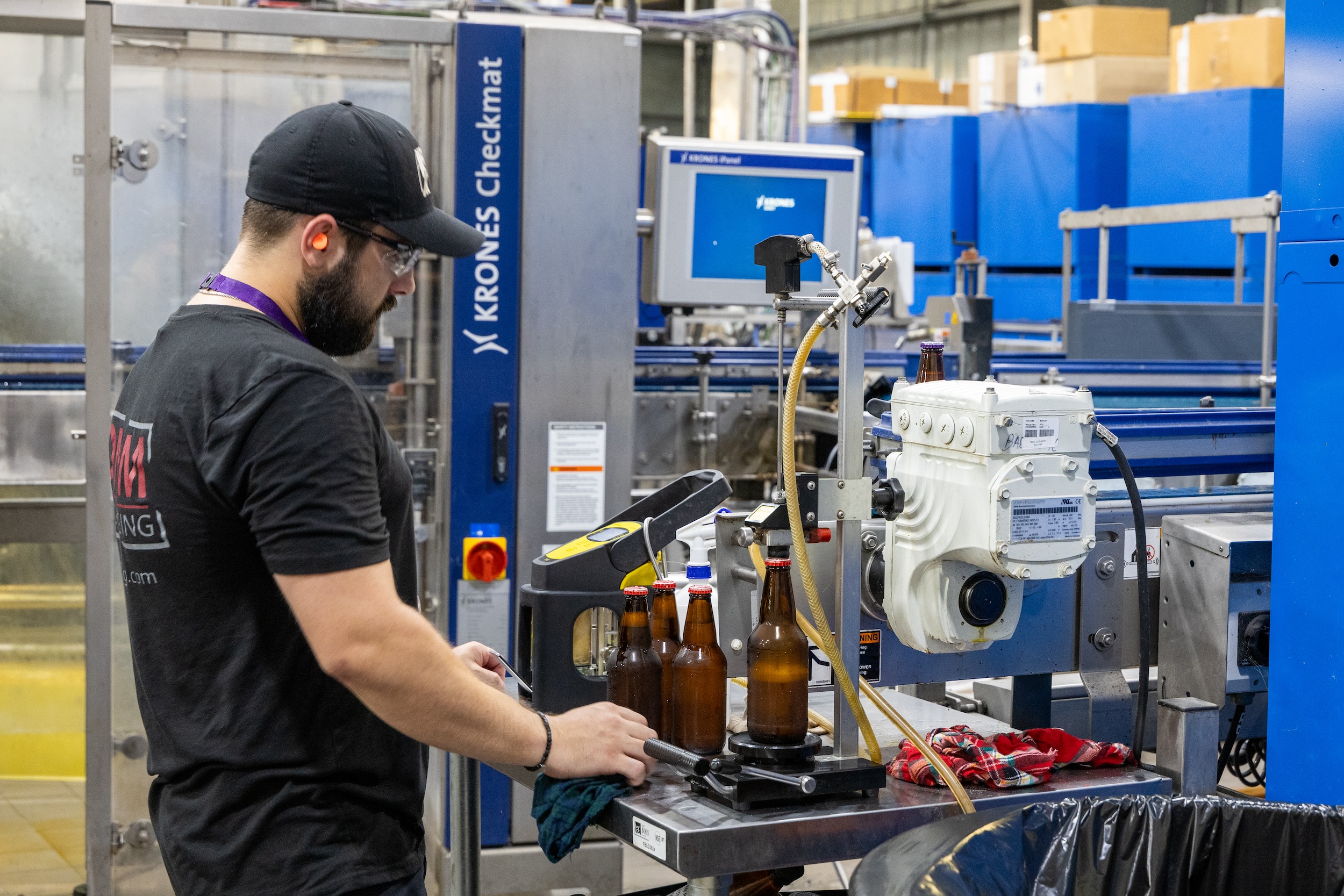
Building the right team is essential for opening up a successful brewery. While contract production reduces some staffing needs, you’ll still need key positions filled to manage your brand and business when starting a brewery.
Brewmaster or Head Brewer: This person oversees recipe development, quality control, and production processes. They ensure consistency across batches and continuously improve your beer quality. If you’re using contract production, you may need less hands-on expertise but still benefit from someone who can collaborate effectively with your contract partner’s team.
Sales and Distribution Manager: This role builds relationships with distributors, retailers, and on-premise accounts. They manage sales territories, coordinate promotional events, and drive revenue growth. Strong sales leadership is critical for expanding your market presence after you open a brewery.
Marketing Manager or Brand Manager: This person develops and executes your marketing strategy, manages social media, coordinates events, and maintains your brand identity. They’re responsible for building awareness, engaging customers, and creating a community around your brewery.
Taproom Manager: If you’re operating a taproom, this role manages day-to-day operations, staff scheduling, inventory, and customer experience. They ensure your physical space delivers the brand experience you’ve promised.
Accountant or Financial Manager: Brewery finances are complex, with excise taxes, inventory accounting, and regulatory reporting requirements. Whether you hire someone in-house or work with an external CPA firm, expert financial management is non-negotiable when you start up a brewery.
Legal Counsel: An attorney experienced in alcohol beverage law helps you navigate licensing, contract negotiations, trademark protection, and regulatory compliance. They’re particularly valuable during your initial setup and for reviewing distribution agreements or partnership contracts when opening your brewery.
Note that contract production partnerships can significantly reduce initial staffing needs. When your production is handled by an experienced contract producer, you don’t need a full production staff, maintenance technicians, or packaging line workers. This lets you build a leaner team focused on sales, marketing, and brand development during your early years.
Final Checklist For How To Start A Brewery
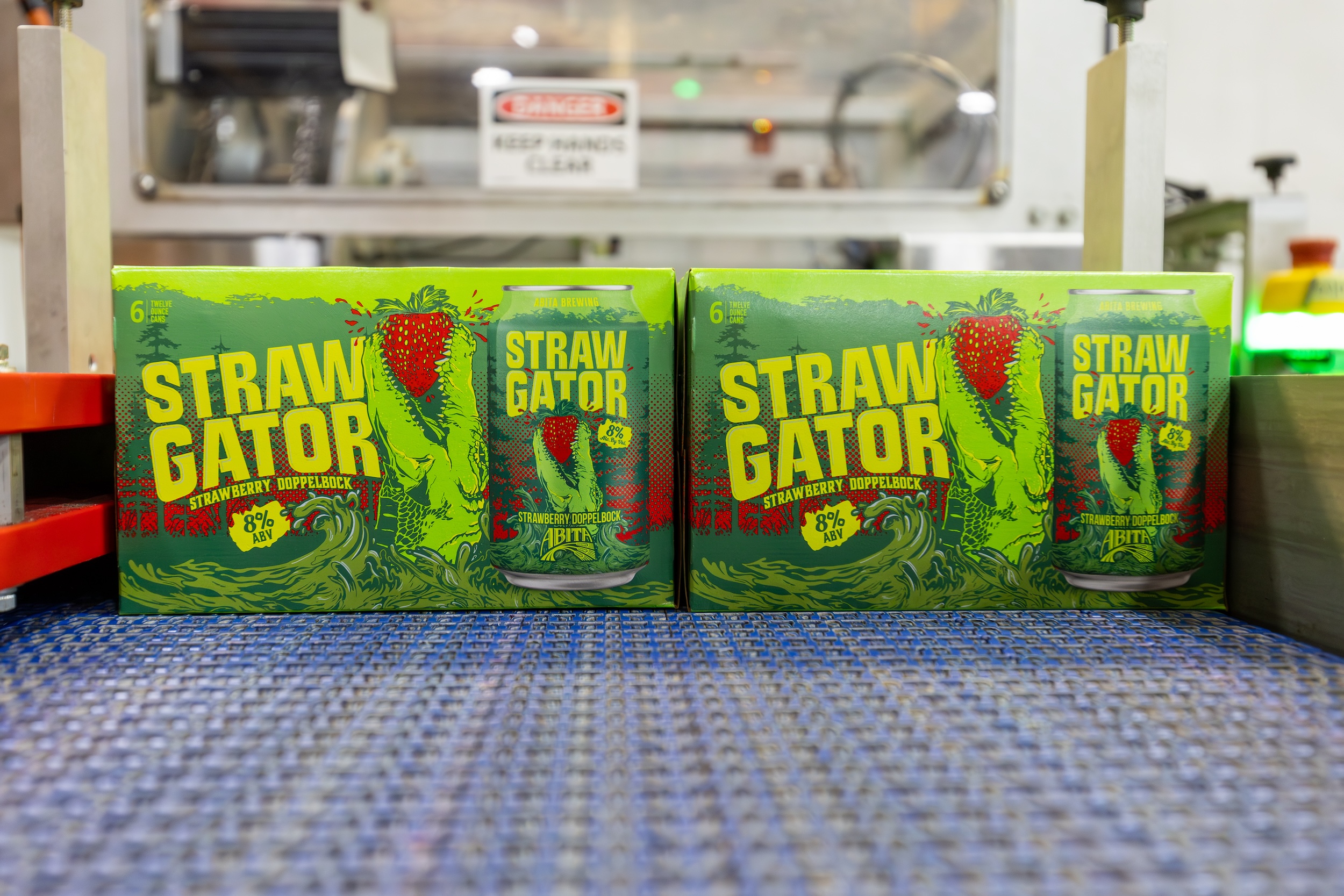
Before you officially launch, review our checklist to ensure you’ve addressed all critical elements of how to start a brewery successfully.
Determining How To Start A Brewery Is Easier With A Solid Contract Production Partner
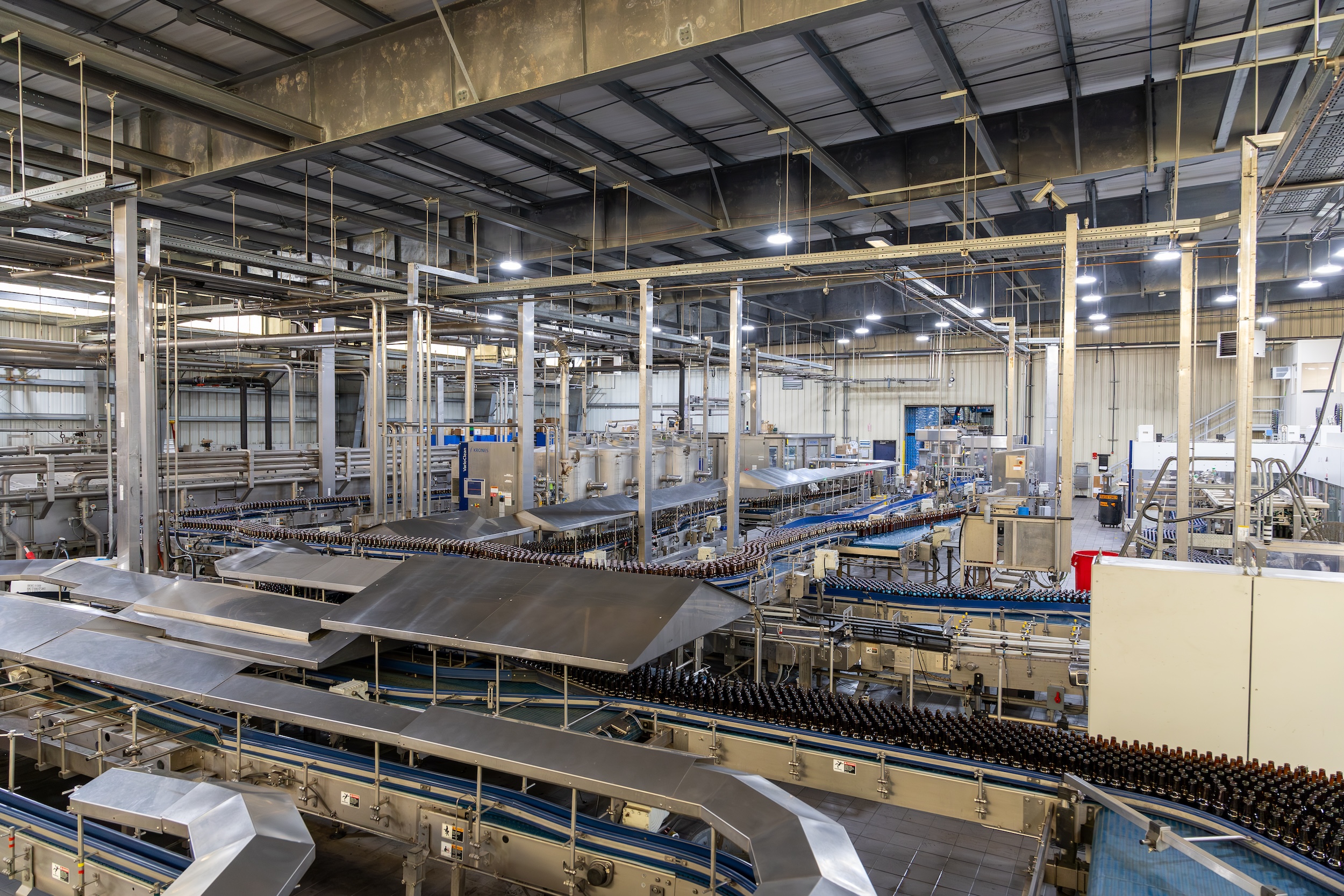
You’ve learned how to start a brewery from concept through launch. While the journey involves numerous decisions, you don’t need to navigate it alone, and you don’t need millions in startup capital.
Contract production has transformed the process of how to start a brewery by making brewery ownership accessible. Instead of spending years securing financing and building facilities, focus on creating exceptional beer and building customers. The right contract production partner provides production capabilities, expertise, relationships, and support, accelerating your success.
Look for partners who demonstrate genuine commitment to your success with transparent pricing, flexible scheduling, quality assurance, and collaborative recipe development. The best partnerships feel like strategic alliances, where both benefit from your growth.
Abita Brewing Company helps aspiring owners bring their vision to life through our contract production services. With decades of experience, state-of-the-art facilities, established distribution networks, and a passion for supporting craft beer, we provide you and your team with everything needed to start and open a brewery or microbrewery successfully.
Your journey doesn’t have to involve millions invested or years of planning. It starts with one conversation with the right partner. The craft beer industry needs your unique perspective, recipes, and passion. We’d love to be the partner that helps you bring that journey to life.
*Disclaimer: The contents of this article are solely for informational purposes. Nothing in here should be considered tax or legal advice. Please consult with an attorney and/or tax expert before making business decisions.