When developing flavored alcoholic beverages like hard seltzers, spiked lemonades, or ready-to-drink options, one of your most critical decisions is choosing between malt vs sugar as your fermentation base.
This choice impacts everything from flavor profile and consumer perception to regulatory requirements and production timelines. Understanding the distinction between malt vs sugar bases empowers beverage brands to make informed decisions that align with their product vision and market positioning.
Understanding Malt vs Sugar: The Foundation of Your Beverage
The malt vs sugar debate centers on two distinct approaches to creating the alcohol base for your beverage.
Malt base begins with malted grains. This is typically barley, though wheat, corn, and rice are also used. During the malting process, grains sprout and develop enzymes that convert starches into fermentable sugars.
For neutral malt base (NMB) production, extensive filtration removes most color, flavor, and aroma, creating a relatively clean canvas. However, even after filtration, malt bases retain a subtle fermentation character and body that can enhance certain beverage styles.
Sugar base takes a more direct route. Instead of converting grain starches, refined sugars from cane, beet, or corn are fermented directly. This “sugar brew” process is simpler and produces an exceptionally clean, neutral profile; often cleaner than a neutral malt base.
The resulting beverage provides a blank canvas that allows fruit flavors, botanicals, and other ingredients to shine without competing against residual fermentation notes.
Why malt vs sugar matters: For brands exploring beverage development, the malt vs sugar decision shapes not just your product’s taste, but its entire market identity.
Flavor Profile & Product Character: Where Malt vs Sugar Makes the Biggest Impact
When evaluating malt vs sugar, flavor profile differences are often the first consideration for beverage brands.
Sugar brews deliver exceptional cleanness and neutrality. With minimal fermentation byproducts and a crisp finish, sugar bases create ideal foundations for fruit-forward beverages, spiked sodas, and light, refreshing drinks where flavor clarity is paramount.
If your beverage brand concept centers on showcasing natural fruit flavors, botanical infusions, or delicate taste profiles, sugar brew offers the cleanest possible canvas. The absence of residual malt character means your carefully selected flavors take center stage without competing against background notes.
Malt brews provide a traditional brewing backbone with subtle complexity. Even neutral malt bases contribute a slight body and mouthfeel that can enhance the drinking experience in certain beverage categories.
For flavored malt beverages (FMBs), hard teas, and products where a touch of substance and depth enriches the flavor experience, malt bases deliver that familiar, satisfying character. The slight fermentation notes that remain after filtration can complement robust flavors and create a more full-bodied beverage.
The malt vs sugar choice ultimately depends on your flavor objectives. Brands prioritizing crispness and drinkability often gravitate toward sugar brew, while those seeking body and traditional brewing character may prefer a malt base.
Regulatory Considerations: How Malt vs Sugar Affects Compliance
The regulatory landscape presents significant differences in the malt vs sugar comparison. These are differences that directly impact your time-to-market and operational flexibility.
Both malt-based and sugar-based beverages are federally classified as “beer” and require a Brewer’s Notice, but the distinctions become important at the labeling and regulatory detail level.
Malt-based beverages fall under TTB (Alcohol and Tobacco Tax and Trade Bureau) malt beverage regulations outlined in 27 CFR Part 7. These products require a Certificate of Label Approval (COLA) before they can be sold, adding time and complexity to your launch process.
Each label design, formula change, or product variation typically requires separate COLA approval, which can take weeks or months depending on TTB workload and application completeness. This regulatory pathway also subjects your product to TTB’s malt beverage advertising restrictions.
Sugar-based beverages offer a significant regulatory advantage: no COLA requirement. Instead, these products follow FDA food labeling rules (21 CFR Part 101), which mandate a Nutrition Facts Panel but allow for faster, more flexible label changes. Sugar-based beverages must still display brewer name, net contents, alcohol content, and place of production, but brands can modify formulas and update labels without waiting for federal approval on each iteration.
For brands prioritizing speed-to-market or planning frequent product innovation, this regulatory flexibility in the malt vs sugar equation can be decisive.
Additionally, sugar-based beverages can legitimately claim “gluten-free” status, opening doors to a growing consumer segment that strictly avoids gluten. Malt-based products cannot make this claim unless produced with gluten-free grains like sorghum.
The Importance Of Finding The Right Partner To Meet Regulatory Requirements
The regulatory differences between malt vs sugar can feel overwhelming, especially for brands new to the beverage alcohol space. At Abita Brewing Company, a big part of what we offer our contract production partners is guidance through the regulatory process.
We have nearly four decades of experience in the beverage industry and have the know-how to allow you to focus on building your brand, rather than focus on legal and regulatory complexities.
Production & Technical Factors in the Malt vs Sugar Decision

From a production standpoint, malt vs sugar represents different levels of process complexity and resource requirements.
Malt-based production involves traditional brewing steps: creating wort, mashing, boiling, fermentation, and extensive filtration to achieve a neutral character. This process requires more equipment, longer production cycles, and greater technical expertise.
However, for beverage facilities with established brewing infrastructure (like Abita), producing a neutral malt base leverages existing capabilities. The additional complexity does impact batch-to-batch consistency, requiring rigorous quality control protocols to maintain flavor uniformity.
Sugar-based production follows a simpler path. With direct fermentation of refined sugars, fewer process steps mean faster turnaround times and reduced production complexity. This streamlined approach often translates to better batch consistency and easier quality control.
Advancements in sugar brew technology have progressively improved flavor cleanliness, narrowing the gap between sugar brew and grain neutral spirits in terms of profile neutrality.
For brands evaluating manufacturing partners, understanding how the facility specializes—or whether they offer both options—is essential to the malt vs sugar decision.
Facilities with demonstrated expertise in your chosen base deliver better results and fewer surprises during scale-up. At Abita, that’s at the core of what we do.
Market Positioning & Consumer Perception: Malt vs Sugar in Brand Strategy

The malt vs sugar choice carries implications beyond taste and regulation—it shapes consumer perception and brand positioning.
The hard seltzer explosion has shifted consumer associations dramatically. Sugar-based beverages now carry connotations of cleanness, modernity, and health-consciousness.
For brands targeting younger, wellness-focused consumers who scrutinize ingredient lists and calorie counts, sugar brew aligns with these values. The ability to label products as gluten-free further reinforces this positioning.
Malt-based beverages maintain connections to brewing heritage and tradition. While “malt beverage” classification might not resonate with every demographic, it can convey authenticity and craftsmanship to consumers who value brewing expertise.
For certain product categories—particularly those positioned as flavor-forward alternatives to traditional beer—malt base reinforces that connection without alienating beer drinkers exploring new options.
Key Takeaway: When considering malt vs sugar, evaluate how each base aligns with your brand story, target demographic, and competitive positioning.
Are you emphasizing innovation and disruption, or building on brewing tradition? Are your consumers reading ingredient labels carefully, or prioritizing taste and value above all else? The answers guide your malt vs sugar decision toward the option that best supports your brand identity.
Cost & Time-to-Market: Economic Factors in Malt vs Sugar
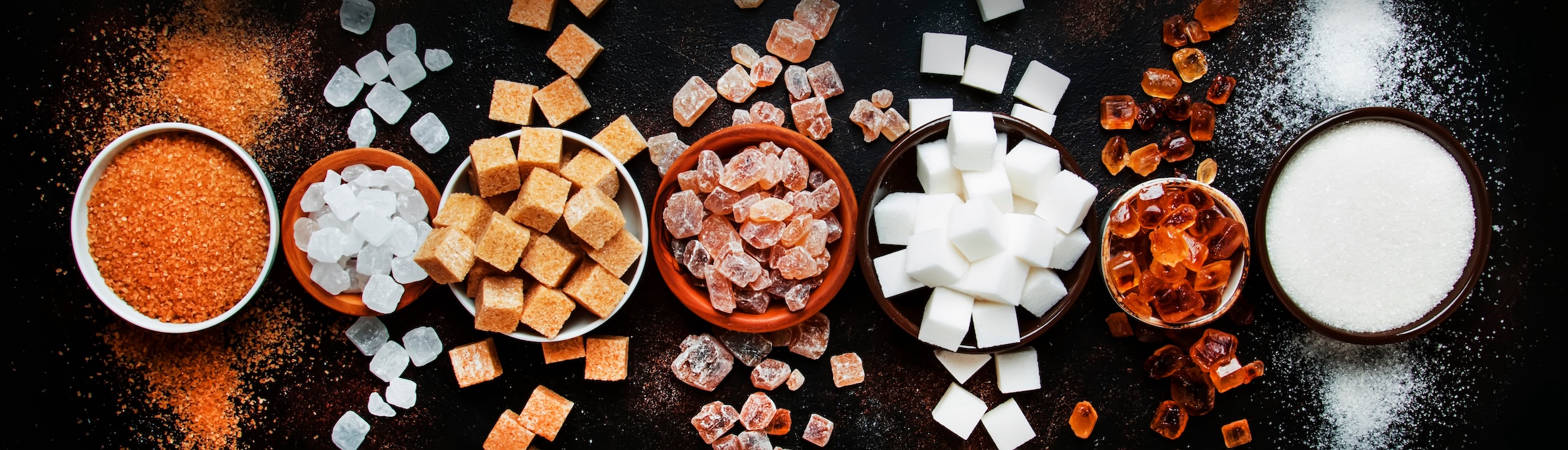
The financial implications of malt vs sugar extend beyond raw ingredient costs to encompass regulatory expenses, production efficiency, and launch timelines.
Raw Materials and Production Costs – These vary between malt vs sugar bases. Malt-based production typically involves higher complexity and longer processing times, potentially increasing per-gallon costs.
Sugar-based production’s streamlined process can offer cost efficiencies, though actual pricing depends on ingredient sourcing, facility optimization, and production scale. Your manufacturing partner’s expertise and economies of scale significantly influence the ultimate cost structure for either base.
Regulatory Compliance Costs – These vary substantially between malt vs sugar. Malt-based beverages require COLA applications for each label variation, incurring both fees and potential legal consultation expenses for formula approval and label compliance.
Sugar-based beverages avoid COLA costs but require Nutrition Facts Panel compliance. For brands planning frequent formula modifications, limited releases, or extensive product lines, the regulatory cost structure heavily favors sugar base.
Time-to-Market – This represents perhaps the most significant economic factor in the malt vs sugar comparison. Sugar-based beverages can launch faster without COLA approval delays—a critical advantage for seasonal releases, trend-responsive products, or brands racing to capture market opportunities.
Malt-based products face longer launch timelines, requiring COLA submission well in advance of planned release dates. For brands where timing is everything, this consideration alone can determine the malt vs sugar decision.
Quality, Consistency & Shelf Stability
Long-term product performance is another dimension of the malt vs sugar evaluation.
Both malt and sugar bases can achieve excellent shelf stability when properly processed and packaged. However, they present different quality control considerations.
Malt-based beverages, with their more complex production process, require careful attention to filtration thoroughness and fermentation management to prevent off-flavors during storage. The slight residual character in neutral malt base, while often desirable initially, must remain stable throughout the product’s shelf life.
Sugar-based beverages’ simpler production pathway often translates to more predictable stability profiles. The cleaner fermentation creates fewer potential sources of flavor drift or oxidation concerns.
However, regardless of malt vs sugar base type, factors like packaging integrity, storage conditions, and ingredient interactions ultimately determine shelf stability.
Working with an experienced brewing facility ensures proper quality control protocols, sensory evaluation standards, and stability testing regardless of whether you choose malt or sugar base.
The right partner brings decades of expertise in maintaining consistency and preventing quality issues before they reach consumers.
Decision Framework: Choosing Between Malt vs Sugar
With so many factors influencing the malt vs sugar decision, a structured framework helps brands evaluate their specific situation:
Choose sugar base if:
Choose malt base if:
Key questions to guide your malt vs sugar decision:
Why Production Expertise Matters in the Malt vs Sugar Debate
The malt vs sugar decision shouldn’t be made in isolation. Your choice must align with your production partner’s capabilities, experience, and specialization.
At Abita Brewing Company, we offer the unique advantage of expertise and flexibility in producing both sugar brews and malt brews.
Whether your brand needs a clean, neutral base for fruit-forward beverages or a malt backbone for flavored malt drinks, we provide the capacity, quality, and industry knowledge to help you succeed.
The advantages of working with a facility that specializes in both options:
The risks of working with limited partners:
Over 40 years of brewing expertise has taught us that the malt vs sugar decision isn’t one-size-fits-all. Each brand has unique goals, target consumers, and market positioning that should inform this foundational choice.
How Your Beverage Brand Can Ahead Of Industry Trends

The beverage alcohol category continues evolving rapidly, and the malt vs sugar landscape evolves with it.
Sugar-based beverages have gained substantial market share through the hard seltzer boom, establishing consumer comfort with fermented cane sugar as an alcohol base.
Meanwhile, innovations in neutral malt base production have created cleaner, more versatile malt options than ever before.
Looking forward, successful brands will leverage the right base, whether it’s malt or sugar, for each specific product rather than committing to a single approach across their entire portfolio. The flexibility to produce sugar-based seltzers alongside malt-based flavored beverages—or even explore hybrid approaches—positions brands to respond to consumer preferences and market opportunities as they emerge.
At Abita Brewing Company, we’ve spent over four decades refining both sugar brew and malt brew production. From spiked sodas and lemonades to hard seltzers and flavored beverages, we provide the expertise, capacity, and cost advantages that allow your brand to compete in this rapidly expanding space.
Our ability to produce both options under one roof gives you the flexibility to innovate, experiment with multiple product styles, and scale successfully—all while maintaining the consistent quality your brand demands.
Ready to explore whether malt vs sugar base is right for your beverage concept? Our team brings the technical expertise and market knowledge to guide you through this critical decision and bring your product vision to life.